Occupation history · Marmara · Paros · 1944
The German airfieldThe runway that was never completed.
The documented story of forced labour, Allied air attacks, an SBS and Sacred Band raid, sacrifice and an unfinished Luftwaffe airfield at the strategic centre of the Aegean.
Research by Manolis Bardanis · 2016
RAF · SBS · Sacred Band · Parian resistanceMarmara · Eastern Paros
Occupation · resistance · unfinished runway
An airfield under fireand an island under occupation.
The runway at Marmara was never simply a construction project. It became the centre of forced labour, aerial attack, resistance, reprisal and an extraordinary intervention that spared 125 condemned islanders.
A strategic runway in the Aegean
German forces had occupied Paros since 10 October 1943. The island's position beside the Paronaxia Channel offered air cover for convoys and a potential link between German-controlled airfields at Piraeus and Rhodes.
On 8 March 1944, Feldbauamt I Athens ordered an 800-by-100-metre natural-surface runway half a mile north of Marmara. By 13 March, four hundred workers—mainly conscripted islanders from Paros, Naxos and Antiparos—were reported at the site. Despite repeated Allied attacks in April, a strip measuring approximately 1,000 by 60 metres was close to completion by 9 May.
The raid of 15 May
A combined force of SBS commandos, members of the Greek Sacred Band and Parian resistance fighters reached the island under Captain Anders Lassen and Second Lieutenant Kyriakos Sofoulis. Intelligence showed a stronger and more widely dispersed German force than expected, yet the operation continued with a revised plan.
Four teams were assigned to strike the guard post, fuel and ammunition stores, anti-aircraft positions, radios, power and telephone lines. Lassen's group was exposed before it could reach its objectives, but Sofoulis's team attacked the commander's residence and nearby positions. German troops were killed, radio and ammunition installations were destroyed, and the airfield security commander was captured. Other teams cut communications and destroyed equipment at Dragoula.
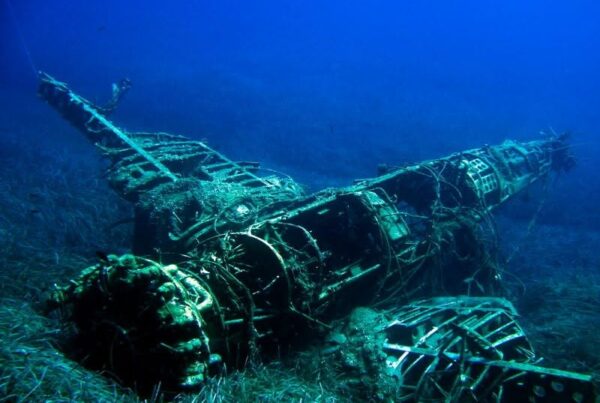
The same day, four RAF Beaufighters attacked the airfield. Heavy anti-aircraft fire and German fighters brought down two aircraft, killing both crews. The overlapping air and ground operations made 15 May one of the most violent days in the airfield's short history.
Our mission remains the same; only the method of execution has changed.Captain Anders Lassen · before the Paros raid
Nikolaos Stellas and the 125
During the withdrawal, twenty-three-year-old Parian guide Nikolaos Stellas was captured. He endured torture without revealing names or information and was publicly executed at Marpissa on 22 May. German authorities then announced that 125 Parian men would face execution in reprisal.
Community representatives and clergy sought a way to prevent the killings. Abbot Philotheos Zervakos invited German commander Georg Graf von Merenberg to Loggovarda Monastery. During the visit, a Russian icon unexpectedly recalled Merenberg's childhood memories of Yalta. When Philotheos asked for mercy—and offered to be executed with the condemned if it were refused—the commander ultimately granted clemency on the condition that sabotage cease.
The 125 men were spared. The episode remains a powerful part of the island's wartime memory: resistance and loss answered not by another execution, but by a decision that protected civilian life.
The runway that never became a base
On 5 June, South African Air Force B-24 Liberators dropped nearly 21,772 kilograms of bombs, though most fell west and south of the runway and failed to crater it. Construction gradually slowed. Further Allied operations continued through the summer, including the mining of Marmara Bay by an RAF Wellington on 1 August.
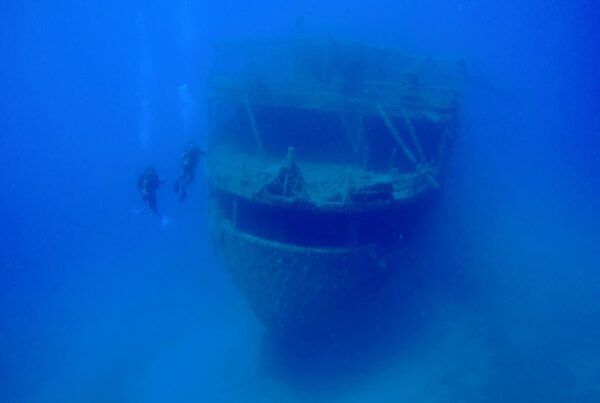
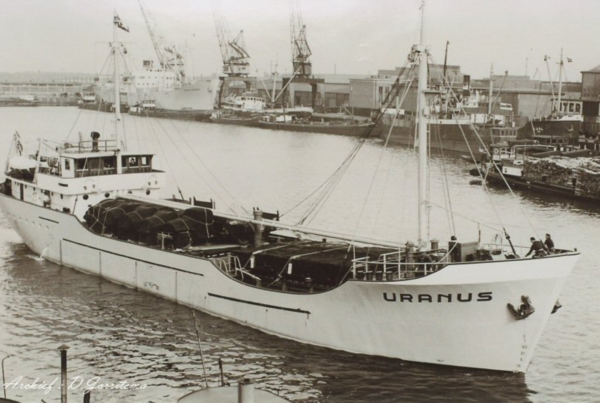
On 27 August, the German minesweeper R38 entered the bay to evacuate personnel, struck one of those mines and sank. Sixteen of the thirty-two people aboard survived with immediate help from local residents who entered the water to rescue them.
The German withdrawal from the Aegean was already underway. Research cited in the article found no evidence that any Luftwaffe squadron ever used Marmara as an operational base. The airfield remained unfinished—a military project imposed on the island, attacked repeatedly, and ultimately overtaken by the end of the occupation.